
Welcome to the Poverty Portal
-
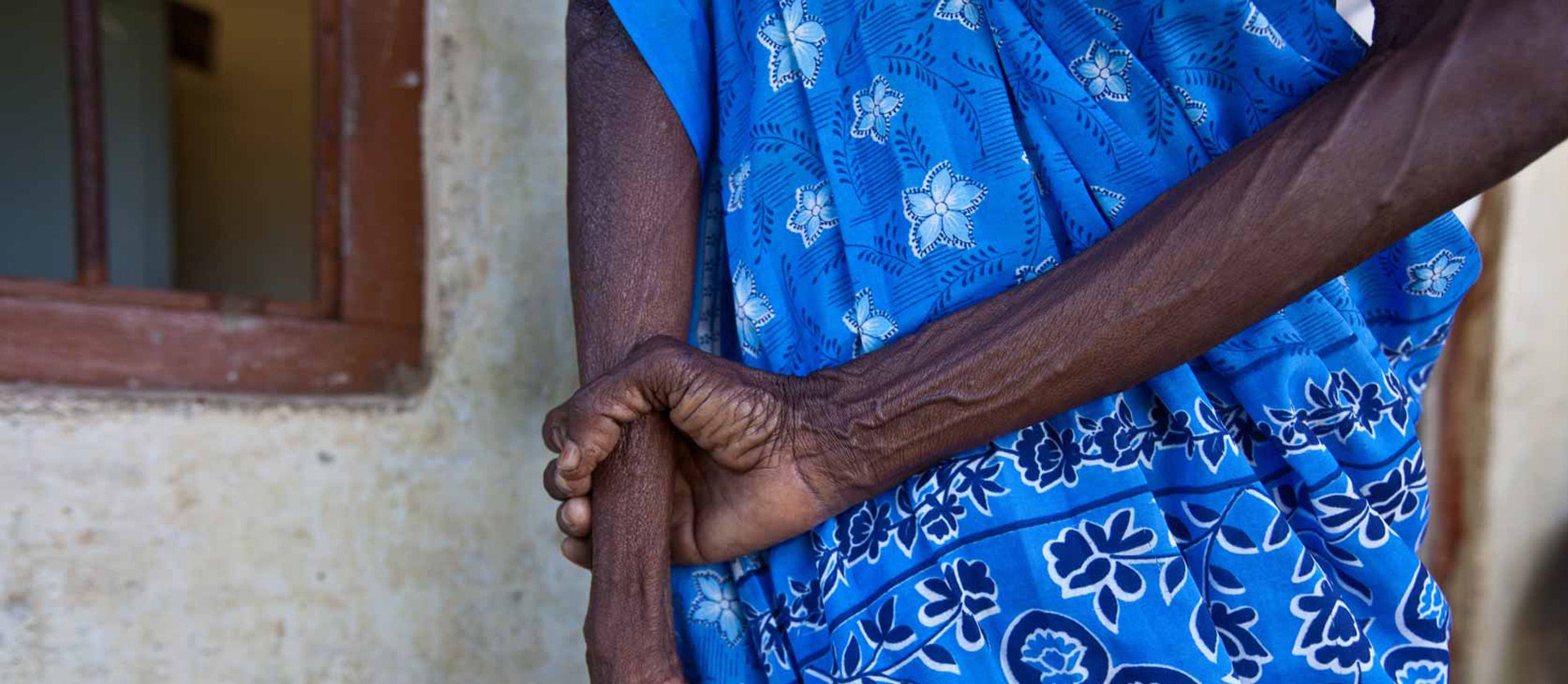
A gateway to macro and micro level information on poverty for researchers and practitioners on the frontlines of development work in Sri Lanka.
Poverty Portal
Hosted by the Centre for Poverty Analysis (CEPA), the portal carries data and resources on poverty from a cross section of sources, and makes it easy to access poverty related information in one place.
-
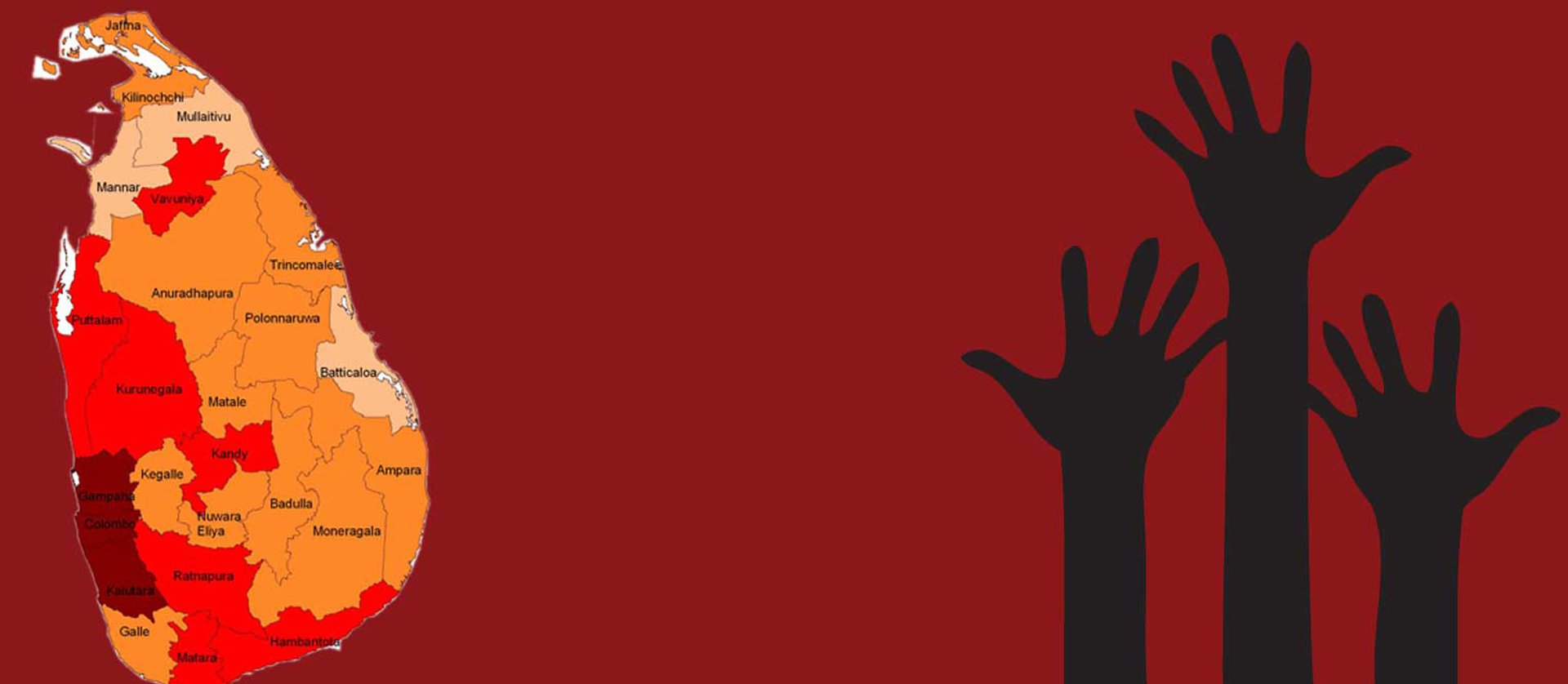
Here you will find both data and the data visualised as maps.
Maps & Stats
Where we have synthesised and visualised the available statistics on poverty in Sri Lanka in a user-friendly manner to increase its accessibility.
-

Are you searching a book...?
Resource Library
Enjoy access to 4,500 resources (and counting) related to the poverty discourse.
Welcome to the Poverty Portal
The Poverty Portal, hosted by the Centre for Poverty Analysis (CEPA, www.cepa.lk) is a well-developed online platform for data and literature on poverty from an array of sources. It facilitates the access to poverty related information from a centralised location. The Portal consists of a wide variety of sources including published and unpublished books and reports, journals, video documentaries, including maps & stats to help visualise and lend insights into poverty in various geographical locations. The Portal is especially designed to help development practitioners, researchers and students access macro and micro level information on poverty in Sri Lanka. The aim of the Portal is to facilitate a wide scale of information dissemination, and thereby encourage informed decision and policy-making practices in Sri Lanka and globally.
Books & Reports
This section includes meta data of over 3500 books & reports primarily on Poverty, Development, Conflict, Children, impact monitoring, evaluation, research methodology and other areas of social sciences.
Read MoreMaps & Stats
Features a range of data resources on Sri Lanka and its regions using state and CEPA generated data. This component is intended to meet the data needs of users in Sri Lanka and outside of the country. It aims to contribute to improving data availability on Sri Lanka and the use of data for informed decision making in the country. The site has a range of resources including maps, graphical presentations and data tabulations.
Read MoreNewly Added
Newly added to the Poverty Portal
North East Community Restoration And Development Project-2
The main objective of NECORD-II is rapidly to improve the living conditions and well-being of a significant number of people in the conflict-affected areas of the North and East by restoring basic social infrastructure’ community and public services’ and livelihoods. NECORD-II will also support and augment Sri Lanka's rehabilitation and relief efforts underway in the conflict-affected areas....
Conflict Affected Areas Rehabilitation Project
The ethnic conflict that erupted in the year 1983 continued till 2002 and a Cease Fire Agreement reached between the parties of conflict. The guns were silenced from 2002 to 2005 latter part and thereafter the CFA virtually became defunct due to the escalation of the violence once again. In addition to the NECORD program’ NECORD-EXTENSION program’ another additional program by the name Conflict affected Areas Rehabilitation project was formulated for additional funding .Blurb source: Executive summary of the Report...
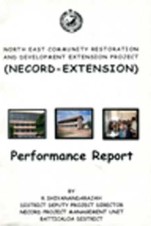
North East Community Restoration And Development Extension Project
The ethnic conflict that erupted in the year 1983 continued till 2002 and a Cease Fire Agreement reached between the parties of conflict. The guns were silenced from 2002 to 2005 latter part and thereafter the CFA virtually became defunct due to the escalation of the violence once again. In addition to the NECORD program’ NECORD-EXTENSION program’ another additional program by the name Conflict affected Areas Rehabilitation project was formulated for additional funding .Blurb source: Executive summary of the Report...
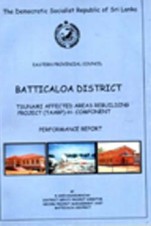
Tsunami Affected Areas Rebuilding Project
Tsunami waves caused by a 9.0-magnitude earthquake near Sumatra affected over two thirds of Sri Lanka’s coastline and caused catastrophic destruction on 26 December 2004. More than 31’000 people died’ thousands went missing’ about 440’000 people were displaced’ and an estimated 1 to 2 million of the 19 million people were affected. This report validates the completion report’s assessment of the project’ which aimed to restore basic social infrastructure’ community services’ and livelihood in the tsunami-affected areas of Sri Lanka. Blurb Source: Asian Development Bank...
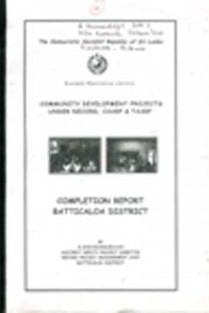
Community Development Projects under NECORD’ CAARP & TAARP
This is a report on the Implementation of community development projects in the district o Batticaloa. Benefitting those rural villagers who are living in poverty....
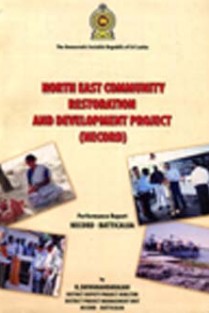
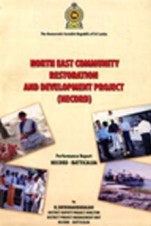
North East Community Restoration And Development Project
A report on the rehabilitation program for the North and East by improving the living conditions and well being of communities that have been affected by the conflict. It is expected that the poverty level of the province is reduced’ living standards improved’ the standard of education’ health’ income level etc improved...
Centre for Poverty Analysis
No. 16 Jawatta Road
Colombo 05, Sri Lanka, 00500
(+94) 112 676 955